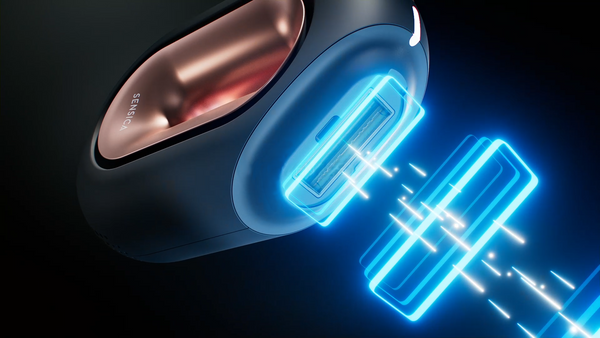
The beauty conversation has finally moved past the exhausting pursuit of looking permanently twenty-five, and we are now talking about something far more interesting: skin longevity. Think of it less as fighting the clock and more as reinforcing the foundation of a house so it stands solid for another fifty years. For a long time, the industry told us that the answer to a sagging foundation was just a better coat of paint (hello, expensive serums). But if you ask the dermatologists and engineers who study tissue behavior, they will tell you that preserving the structural integrity of your skin requires a completely different mechanism, which is why energy-based treatments like radiofrequency are taking over the routines of people who plan decades ahead.
The difference between treating the surface and changing the structure
To understand why radiofrequency is dominating the skin longevity conversation, we have to look at what happens when skin gets older.
Around the time you turn forty, the math of collagen production stops working in your favor. Your fibroblasts (the cells responsible for making new collagen) slow down, and the existing collagen network begins to fragment faster than it can rebuild itself. This structural shift is what causes the loss of skin elasticity and the subtle drop along the jawline that no topical product seems to fix.
When we talk about skin longevity, we are not talking about temporarily plumping the outer layer to hide fine lines. We are talking about collagen banking: the strategy of actively stimulating the deeper dermal layers to produce new, resilient collagen while you still have a strong cellular response. It is the skincare equivalent of investing for retirement instead of just paying this month's rent.
Why your serums can only take you so far
If you love a thorough skincare routine, keep it. Topicals are fantastic for managing pigment, surface texture, and most importantly, hydration. In fact, radiofrequency technology actually works best on highly hydrated skin, meaning your serums play a crucial role in enhancing the final results of your device.
But the reality of biology is that no cream, no matter the price tag, can penetrate deeply enough to structurally remodel the dermis on its own. While serums are an essential part of the process, relying solely on them for firmness means you are applying a surface solution to a deep-tissue problem. Real structural change requires reaching the layers where fibroblasts reside, and doing so in a way that forces them to wake up and start working again. That requires energy, not just ingredients.
Treating your skin like a long-term investment

This is where the concept of skin longevity becomes the perfect partner to the anti-aging routine you already have. While anti-aging protocols are excellent for correcting visible signs of wear and keeping the surface refined (which we still want, obviously), skin longevity adds a deeper dimension. It is about extending the "healthspan" of your skin so it functions youthfully for longer.
Instead of asking your surface-level serums to do heavy lifting they weren't designed for, the longevity approach focuses on keeping the deeper tissue active and resilient. It involves giving your skin the right stimulus to maintain its own structural support over time, effectively banking collagen while your body is still capable of producing it efficiently.
This is exactly why energy-based treatments have quietly become the anchor of the longevity movement. They bypass the surface entirely and communicate directly with the deeper layers, encouraging your skin to act younger at a cellular level rather than just looking younger temporarily. You aren't just erasing a line; you are extending the timeline of your skin's natural vitality.
Building your own longevity protocol
If you want to incorporate radiofrequency into a true skin longevity strategy at home, you have to approach it with the right mindset.
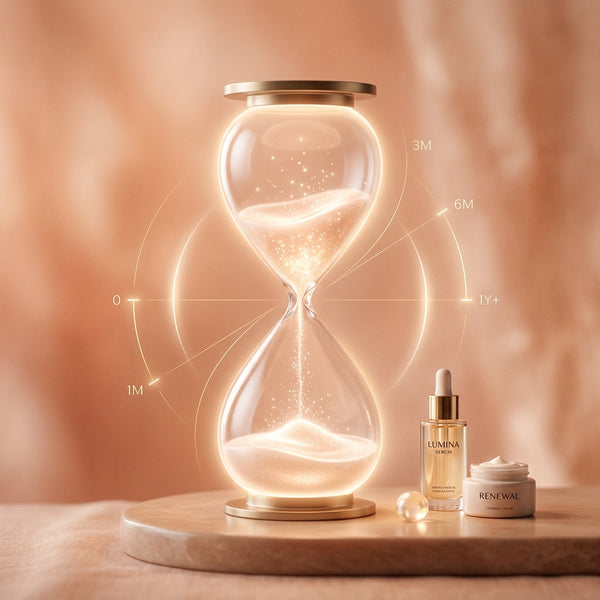
First, understand that this is the slow-cooker approach to a problem that took years to develop. You will not see dramatic lifting after one Tuesday evening session. You are banking collagen, and that compounding interest takes a minimum of five weeks to become visibly undeniable.
Second, consistency is the entire game. Following the clinical schedule (typically weekly or biweekly depending on the specific protocol) is what keeps the fibroblasts actively producing. Skipping a month because you got busy breaks the cycle.
Finally, pair the energy with the right support. Radiofrequency does the heavy lifting in the dermis, but feeding the surface with targeted actives after a session amplifies the overall result. It is not an either-or scenario; it is a synergistic system.